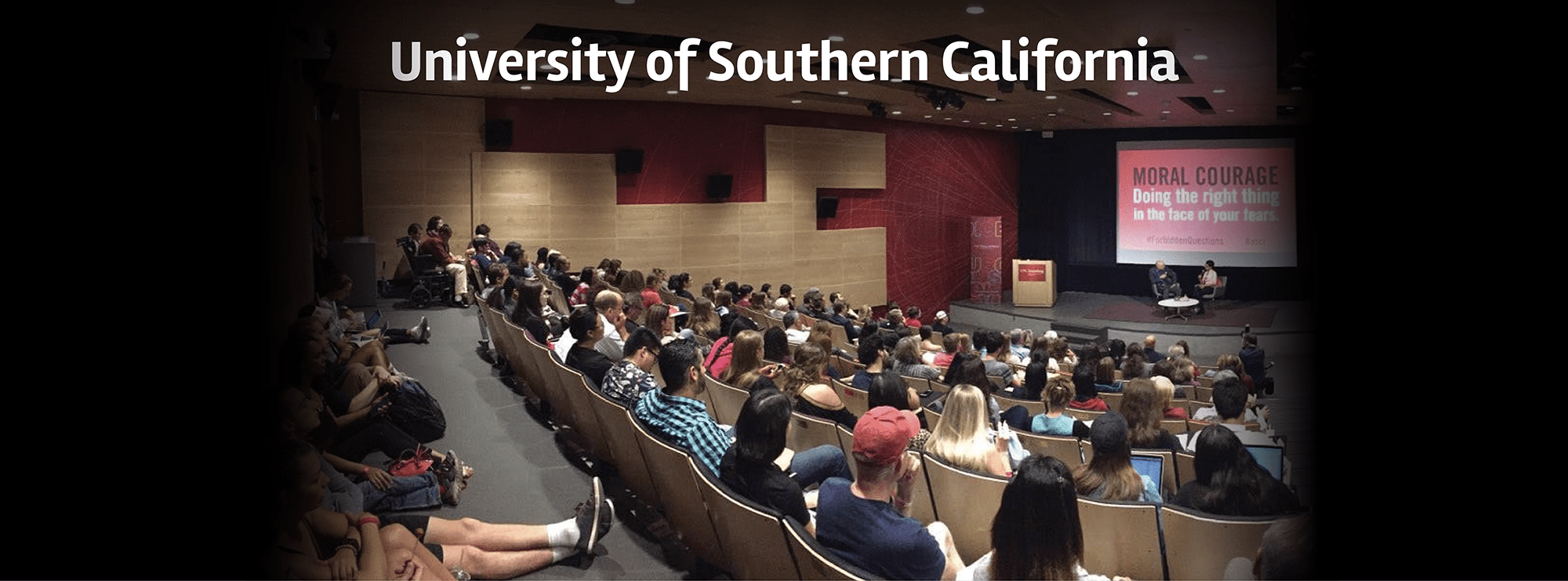
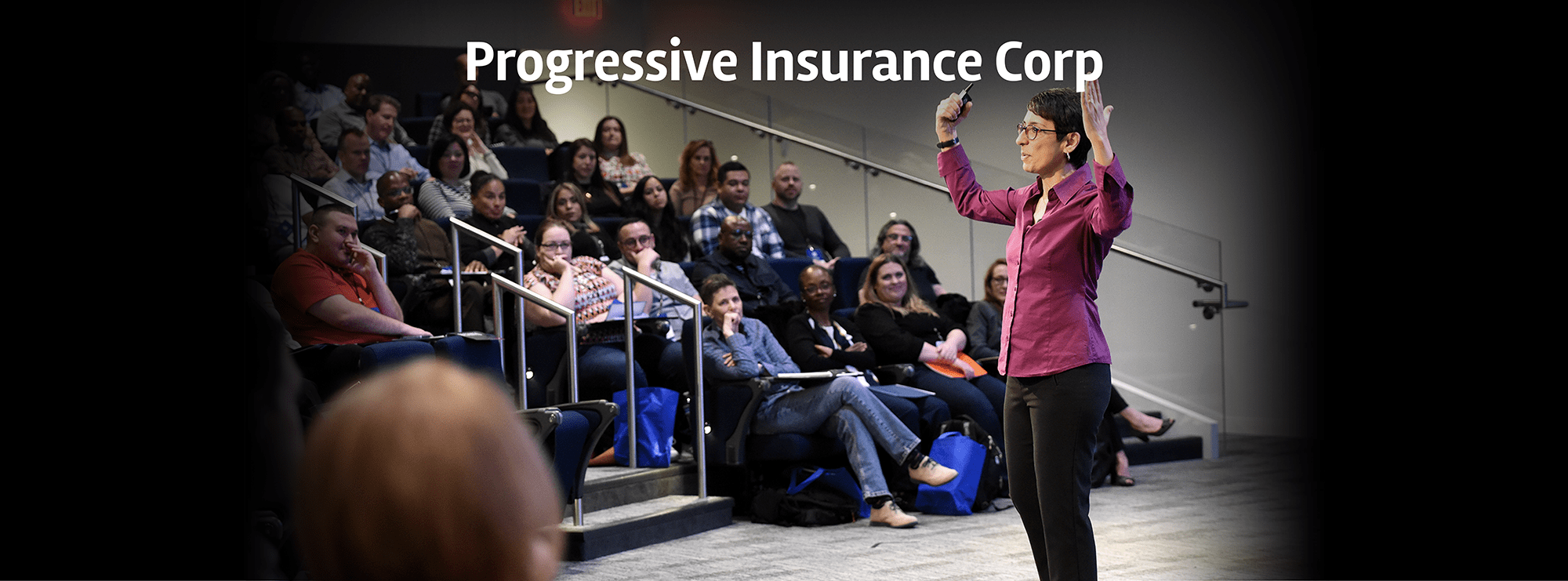
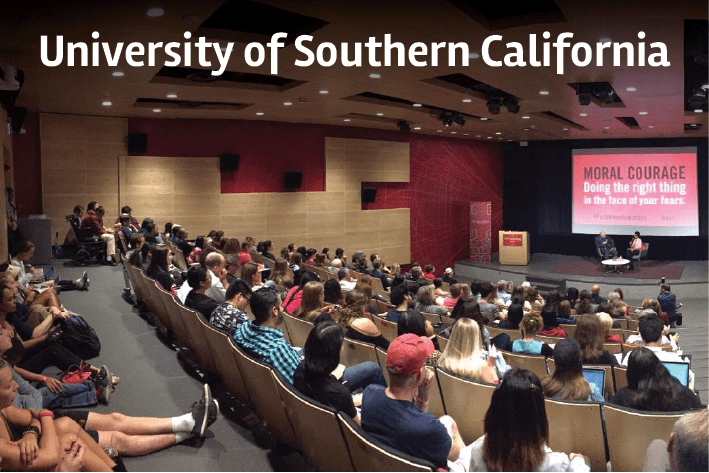
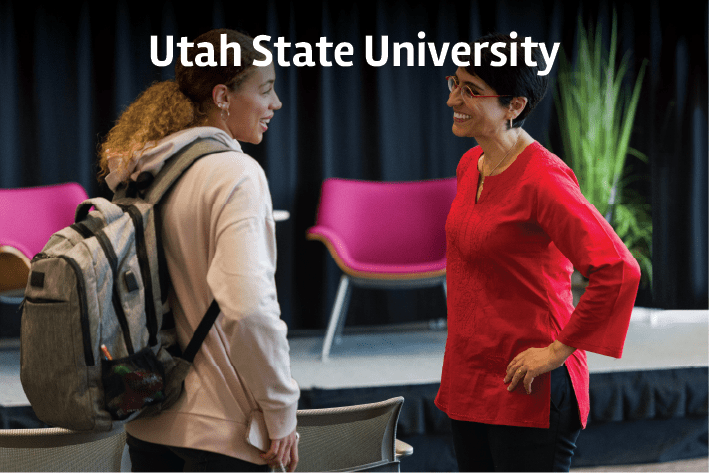
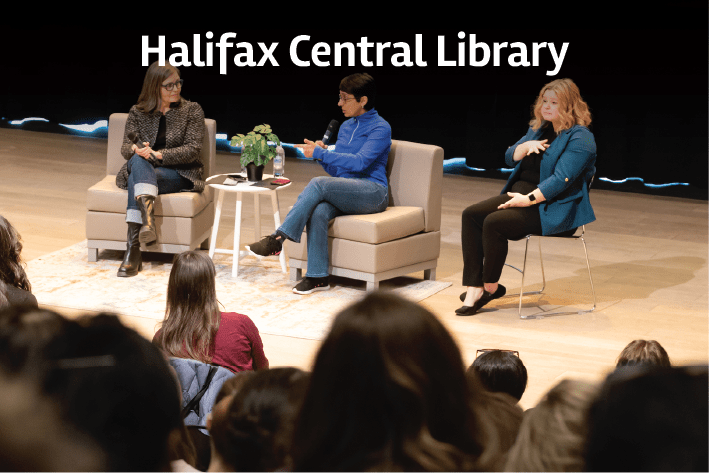
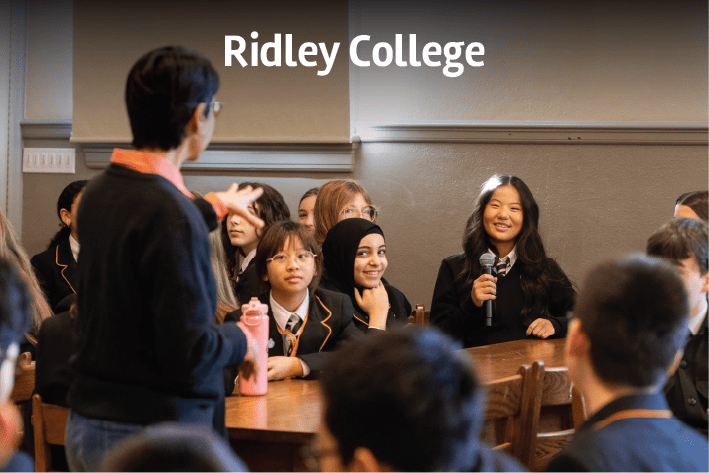
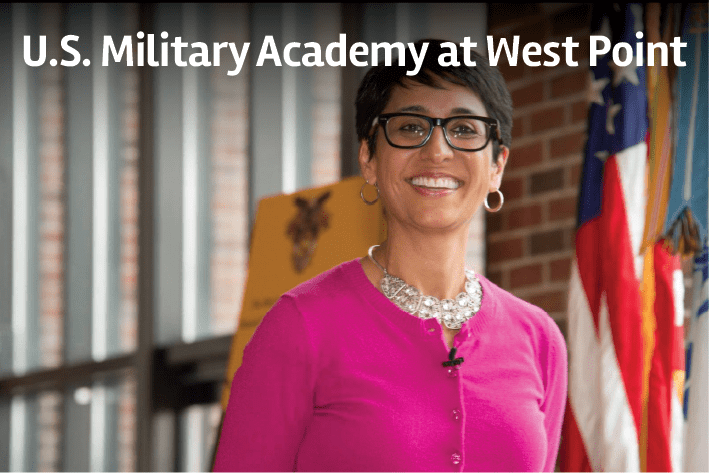
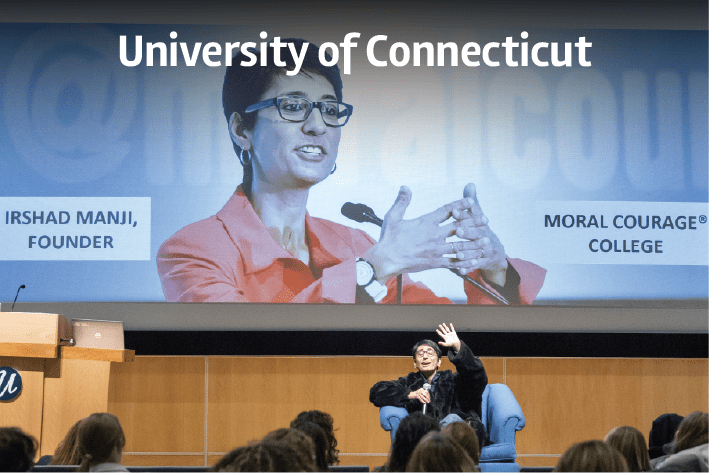
Engaging students at the Research Center for Leadership in Action, Wagner School of Public Service, New York University
This week, I’ll be giving the convocation address to the graduating class at NYU’s School of Public Service. The speech is almost written. Almost.
I’ve got room for a few more lines — and I’m inviting you to provide them.
What do you think is vital for young human rights activists, aid workers, eco-warriors and other social entrepreneurs to know?
If you could grab them by the shoulders, stare into their blood-shot eyes and mess with their heads, what would you say? And can you say it in 25 words or less?
Here’s your chance to reveal that soaring (a.k.a cheesy) phrase you’ve always wanted to use, but could never insert into a conversation with your buddies because they’d mock you forever. Let me mock you.
To get your juices flowing, I’ll confess that I’ve always wanted to tell a throng of exuberant voters, “Tomorrow begins tonight.” Of course I tried that in the draft of my convocation speech.
Didn’t work. “Tomorrow begins this morning” just doesn’t have the same ring. “Tomorrow begins today” is limp. There’s no disco ball to it. The line lives and dies by “tonight.” And maybe it deserves to die, period.
So don’t take it personally when your best suggestions flop. As some grads have heard convocation speakers spout, “If you never give up, you can’t say you’ve failed.” Damn, that’s good.
But not for our speech. We can do better.
Make no mistake: I’m thrilled with what I’ve already written. Still, over the years of engaging with readers, I’ve learned to learn. Which means inviting you into the process at precisely the moment that I’m “thrilled” and thus feeling smug about my own wisdom.
Mess with my mind if not that of the next generation. Your deadline is Friday morning, New York time.

Mum in the middle, flanked by my sister and me
Everywhere I go these days, one of the first questions people ask is, “How’s your mother?”
Already, on this Mother’s Day, I’ve received a number of emails from perfect strangers wanting me to convey their “salaams,” “greetings,” and “duas” (prayers) to my mum.
Why do they care? Because my mum is the undisputed star of Faith Without Fear. The film is being widely watched, and a lot of viewers have fallen in love with her.
I can’t blame them. In the movie, mum is dynamic, funny, humane and humanizing. And I’m not saying this because she agrees with everything I believe. Quite the opposite. She challenges me big time, even managing to shut me up in one scene.
Don’t get too excited. I recover quickly.
In another scene, mum responds to a couple of Muslim men trying to humiliate her. “Trying” is the key word: Her grace proves Eleanor Roosevelt’s point that nobody can take away your dignity without your permission.
Mind you, this isn’t the first time I’m paying tribute to my mum. In the “Afterword” of my book (written before the film), I tell the story of how she came to realize that we share the same struggle for Muslim reform. It’s just that we approach it in different ways. Which is entirely halal because unity is not the same thing as uniformity — a distinction that the worldwide Muslim nation, or ummah, would be wise to learn.
More than anybody I can imagine, my mum represents the hope for Islam today. She shows herself to be the kind of Muslim whom moderate liberals and moderate conservatives have a hard time hating. You could say she’s the Obama of the ummah.
Meet my mum by downloading video clips from Faith Without Fear. Let me draw your attention to two clips in particular:
* “Irshad and her mother discuss the dangers facing Irshad”; and
* “Irshad and her mother debate faith and prayer.” This is where she has me on the ropes.
So, to get back to the question: How’s your mother? In short, great — for more than one reason. A few days ago, she became a grandmother for the second time. Mum now has a girl and a boy who’ll see her either as a mentor or as a tormentor.
Or both, like her own daughters do.
It’s Israel’s 60th birthday, and not every Jew is celebrating unconditionally.
Witness Roi Ben-Yehuda. He’s no party pooper. This boy knows how to have a good time. (Last year, he introduced me to the obnoxious Sacha Baron Cohen character known as Borat, and still imitates this clown at the most absurd moments in our otherwise serious conversations…)
Far from being a wet blanket, Roi is an agent of moral courage. He speaks truth to power not only when necessary, but also when inconvenient — on a landmark anniversary.
Here’s what I mean. As a rising journalist and public thinker, he’s just published a “tough love letter” to his country of Israel. A key passage from it:
“At sixty years young, you are an amazing success story and we are your grateful children. But grateful does not mean blind. When you shine a light on an object, you are also bound to get its shadow. And there is no escaping the fact that your shadow is Palestine.”
Roi goes on to write words that some will consider harsh. I consider them humane in that he sees the shared humanity of Palestinians and Israelis. So he also sees their destiny as shared. (I do, too, and I’ve blogged about the surprising insights that young Palestinians have clued me into.)
That’s why, elsewhere in his extraordinary letter to Israel, Roi writes that “the greatest gift you can give for your birthday is to lend a hand in creating a birthday for the Palestinian state. Don’t settle for just removing yourself; help construct a positive future for your sister nation.”
Imagine: a patriot who believes in giving rather than receiving on his country’s birthday. And giving not as an act of charity, but as a statement of national renewal. It’s what I’ve come to expect from these odd creatures whom I call agents of moral courage.
From the rest of the world, I’ve come to expect allegations of racism. Recently, I received several emails accusing me of anti-Semitism when I pointed out that secular Jewish women in Israel must still go to rabbinical courts for divorces. Even then, they often wind up with the shaft. Israel, in short, isn’t a perfect democracy for Israeli Jews, let alone for Israeli Arabs.
Finding this “shadow,” I suppose, makes me an anti-Semite. So be it. But what a shame for more than just Israel; for democracy itself. Democracy demands dissent — not to undermine its ideals but precisely to help realize them.
Roi Ben-Yehuda is one who gets it. He embodies a sentiment prominently showcased at the National Holocaust Museum in Washington, DC: Thou shalt not be a victim. Thou shalt not be a perpetrator. Above all, thou shalt not be a bystander.
To read about other agents of moral courage, click here.